How to Find Sunglasses for Small, Narrow, and Wide Faces (With Real mm Measurements)
Quick answer: Measure a pair that already fits you, then match new frames to those numbers. Keep total frame width within about ±2–3 mm of your best pair, choose a bridge (nose gap) that matches your comfort, and pick a lens height that clears your cheeks when you smile. OTRA product pages list these specs in millimeters with inches alongside for U.S. readers. ([otraeyewear.com](https://www.otraeyewear.com/products/kenny-black-smoke))
How to measure at home in 2 minutes
Use a rigid millimeter ruler and a well‑fitting pair. These three numbers map directly to OTRA’s product details: frame width, lens (frame) height, and nose gap. For a full walkthrough, see OTRA’s step‑by‑step measuring guide. ([otraeyewear.com](https://www.otraeyewear.com/blogs/comfort-fit-selection/find-your-fit-in-2-minutes-measure-frame-width-height-and-bridge-at-home
- Total frame width (mm): Edge‑to‑edge across the front at the widest point. This predicts overall stability and whether temples pinch or drift.
- Lens (or frame) height (mm): Tallest opening of the lens. Taller = more shade and presence; shorter = easier cheek clearance.
- Nose gap / bridge (mm): Narrowest point between lenses. Closer numbers grip more; wider numbers feel roomier but may slide on low bridges.
Map your numbers fast: If your favorite pair measures ~145 mm wide with a 19 mm bridge, start your search around 142–147 mm and 18–20 mm bridges. For example, OTRA’s Kenny in Black/Smoke lists 145 mm width, 36.5 mm height, and a 19 mm nose gap, which is a compact lens height that clears many smaller faces. ([otraeyewear.com](https://www.otraeyewear.com/products/kenny-black-smoke))
Reading the three numbers printed on a temple arm
Most eyewear prints a three‑number code inside a temple, like 52–18–140. Here’s how to use it:
- Lens width (52): Horizontal lens opening in mm. Larger numbers read bolder; smaller feel more petite.
- Bridge width (18): The nose gap in mm. Closer bridges (15–17) hug more; mid bridges (18–20) are versatile; wider (21–24) feel roomier.
- Temple length (140): Arm length in mm, often 135–145. Longer temples help larger heads; shorter can secure petite fits.
Temple codes are great for comparing within a style family. Pair them with the total frame width and lens height on OTRA’s product pages for the most accurate fit preview. ([otraeyewear.com](https://www.otraeyewear.com/products/kenny-black-smoke))
Size bands in mm: narrow, medium, and wide
Use these practical ranges to zero in on a match. Start with width, then fine‑tune bridge and lens height.
| Your face width (temple‑to‑temple) | Suggested total frame width | Typical bridge (nose gap) | Typical lens height | Fit notes |
|---|---|---|---|---|
| ≈110–125 mm | ≈130–137 mm (narrow) | 15–18 mm | 30–40 mm | Light, lifted shapes prevent overwhelm; easy cheek clearance. |
| ≈126–140 mm | ≈138–145 mm (medium) | 17–20 mm | 35–48 mm | Most silhouettes work; balance height with smile line. |
| ≈141–155+ mm | ≈146–153+ mm (wide) | 19–24 mm | 45–58+ mm | Ensure hinges sit straight; slightly taller rectangles balance breadth. |
Real OTRA examples across sizes: Zoya in Black/Smoke lists 142 mm width with a 17 mm bridge (balanced medium width with a closer bridge), while Maddy in Black/Green runs 148.6 mm wide with a 21 mm bridge for broader faces that prefer extra room. ([otraeyewear.com](https://www.otraeyewear.com/products/zoya-black-smoke))
Small vs. narrow vs. wide: what they mean for fit
- Small head size: Often prefers slimmer fronts or lifted corners (cat‑eyes, slim rectangles). Keep lens height moderate for cheek clearance.
- Narrow face (slim width, average head size): Prioritize total frame width that doesn’t overhang your temples; closer bridges stabilize.
- Wide face: Choose enough total width so hinges don’t flare. Slight wrap or sculpted temples can add comfort.
Measure your face and map to a frame
- Measure temple‑to‑temple: Stand in a mirror and place a rigid ruler across your brow at the point where frame fronts sit. Note mm.
- Convert to a target width: Add ~15–20 mm to your temple‑to‑temple number to approximate total frame width (accounts for frame thickness and overhang). Then pick the closest band in the table above.
- Cross‑check the bridge: If glasses usually slip, choose the tighter end of the bridge range; if they pinch, move wider by 1–2 mm.
- Sanity‑check height: If rims touch your cheeks when you smile, reduce lens height by 2–5 mm or pick shapes with an outer lift.
Where to find—and how to read—OTRA measurements
On each OTRA Product Detail Page you’ll see frame width, frame (lens) height, and nose gap in millimeters, often with inch conversions. Compare to your measurements, prioritizing width first, then height and bridge. As a reference point, Kenny’s page lists width 145 mm, height 36.5 mm, and bridge 19 mm. ([otraeyewear.com](https://www.otraeyewear.com/products/kenny-black-smoke))
U.S. lifestyle notes: sun and climate considerations
From bright, arid summers in the Southwest to humid Gulf Coast afternoons, match tint and stability to your day: Category 3 tints for strong sun, slightly lighter gradients for mixed light, and secure bridges/temples if you’re active or often in heat (frames can slip more). OTRA pages note lens category (all shades are UV400). ([otraeyewear.com](https://www.otraeyewear.com/products/kenny-black-smoke))
Shape suggestions that tend to work
For small or narrow faces
- Subtle cat‑eyes or slim rectangles add lift without overwhelming features; lens heights in the 33–40 mm zone keep cheeks clear.
- Bridges that match your measurement reduce slipping and constant push‑ups.
Examples to explore in the OTRA catalog:
- Kenny in Black/Smoke — a sleek, lifted silhouette with a compact 36.5 mm height that often clears smaller cheeks. ([otraeyewear.com](https://www.otraeyewear.com/products/kenny-black-smoke))
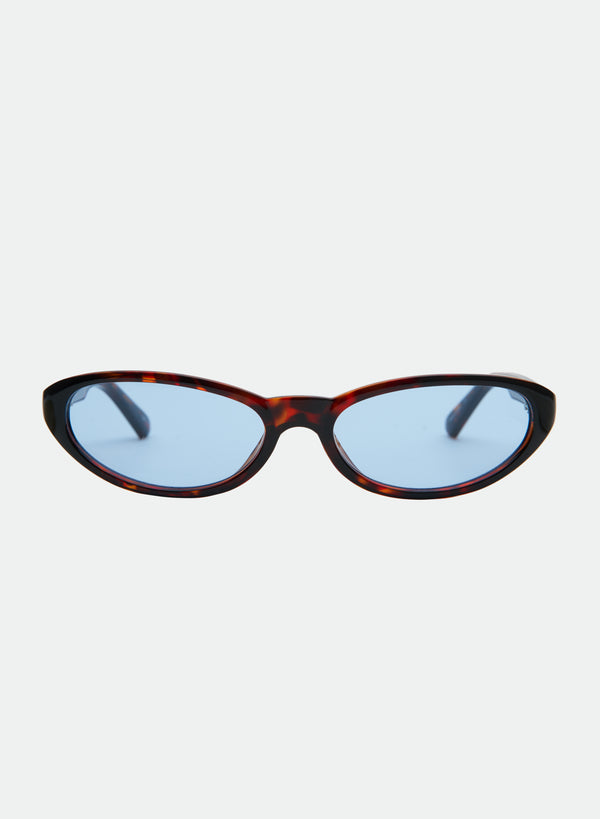
- Kenny in Tort/Blue — same confident proportions with a softer tort palette.
- Sady in Trans Gold/Brown — a light metal with adjustable pads that’s easy to micro‑tune on the nose.
For wide faces
- Ensure sufficient frame width so hinges sit straight (not flared).
- Consider slightly taller or broader rectangles for balanced coverage.
- Look for gentle wrap or sculpted temples for grip without pressure.
Examples that often feel balanced on broader faces:
- Zoya in Black/Smoke — 142 mm width with a closer 17 mm bridge for a planted feel. ([otraeyewear.com](https://www.otraeyewear.com/products/zoya-black-smoke))
- Zoya in Trans Maple/Brown Fade — same silhouette with warm gradient softness.
- Maddy in Black/Green — 148.6 mm width and 21 mm bridge for ample room and presence. ([otraeyewear.com](https://www.otraeyewear.com/products/maddy-black-green
- Nia in Dark Chocolate — sculpted front that complements broader features.
If you have a low bridge
Low‑bridge wearers (glasses sit low, touch cheeks, or slide) should weigh bridge value and lens height more heavily. Start with bridges closer to your comfort number and shapes that lift at the corners; OTRA’s core low‑bridge guide explains how to read width, height, and nose gap together, plus when adjustable pads help. See Low‑Bridge & Asian‑Fit Confidence. ([otraeyewear.com](https://www.otraeyewear.com/blogs/low-bridge-asian-fit-confidence/core-guide
Blue‑light styles by face size (for hybrid workdays)
If you swap between screens and sun, keep your sunglass width consistent by choosing a blue‑light frame with a similar total width and bridge. See Blue‑light glasses for small, medium and wide faces, and consider slim, flattering options like Abby Blue Light, Hazel Blue Light, or Frankie Blue Light.
Comparison: key criteria to get right
- Match your known‑good width: Stay within ±2–3 mm of a frame you love.
- Lens height vs. cheeks: Taller = bolder shade, higher chance of smudge; shorter = easier clearance.
- Bridge (nose gap): Closer bridge numbers reduce slipping—especially helpful for low bridges.
- Temple alignment: Front should sit straight at the hinges; flaring means the frame is too narrow.
- Lens category for your light: Category 3 for bright U.S. sun; lighter gradients for mixed light or city shade. ([otraeyewear.com](https://www.otraeyewear.com/products/kenny-black-smoke))
FAQ
- What’s the difference between a small head and a narrow face? Small heads generally prefer overall smaller fronts; narrow faces specifically need less width across the temples. Measure a frame that feels right and match new picks to that width first.
- How close should I keep new frames to my favorite pair? As a working rule, keep total width within about ±2–3 mm for a familiar, secure feel.
- How do I stop lenses from touching my cheeks? Choose slightly shorter lens heights or shapes with an outer lift; for low bridges, also target a closer bridge value. For step‑by‑step measuring, see OTRA’s 2‑minute fit guide. ([otraeyewear.com](https://www.otraeyewear.com/blogs/comfort-fit-selection/find-your-fit-in-2-minutes-measure-frame-width-height-and-bridge-at-home
Next steps
- Measure your favorite pair’s width, height, and bridge (or read the 52–18–140‑style code if present).
- Open an OTRA product page and compare the three numbers—start with width, then balance height and bridge. ([otraeyewear.com](https://www.otraeyewear.com/products/kenny-black-smoke))
- Need extra help for low bridges? Start with Low‑Bridge & Asian‑Fit Confidence.