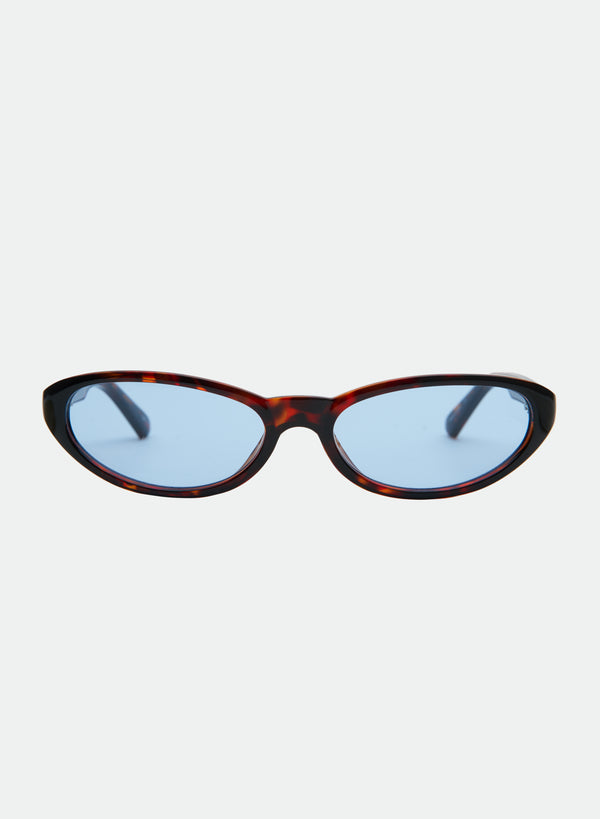
Why Sunglasses Leave Red Marks on Your Nose
Updated August 28, 2026
Direct Answer
Red marks are almost always a fit-and-contact problem: too much weight focused on too small an area at the bridge. Two variables drive it most—your nose gap (bridge width in mm) and pad angle/surface contact. If the bridge is too narrow, pads pinch and imprint; too wide and the frame rides low, adding friction on cheeks that turns into redness. You can benchmark real OTRA measurements: Drew - Black lists a 15 mm nose gap (snug); BLUE LIGHT - Hazel lists 19 mm (closer, slightly higher perch); BLUE LIGHT - Abby lists 24 mm (roomier). Match the number to your bridge and flatten pads so the whole pad surface touches—pressure disperses and the marks fade.
Quick Comparison: Low vs. High Bridge Fits
Use this to match what you feel with the design details that solve it.
| Fit Type | What You Usually Feel | Prioritize | Avoid | Best For | Recommended OTRA Option |
|---|---|---|---|---|---|
| Low bridge | Frames slide; lenses touch cheeks; makeup smudges | Adjustable pads set a bit higher; keyhole or higher‑sitting bridges; moderate lens height; lighter fronts | Very tall lenses; heavy fronts that pull forward | All‑day comfort with cheek clearance | BLUE LIGHT - Hazel for a compact height and 19 mm bridge; Kenny - Black/Smoke for a stable rectangle silhouette. |
| High bridge | Perched, pinchy feel at the top of the nose | Slightly wider nose gap; pads flattened to increase contact; saddle/keyhole bridges that spread weight | Narrow bridges; pads touching only at the top edge | Secure fit without hotspots | BLUE LIGHT - Abby for a roomier 24 mm bridge; Zoya - Black/Smoke if you prefer a planted, closer-feel acetate. |
| Medium/uncertain | Sometimes slides, sometimes pinches | Start from a known‑good bridge number and fine‑tune pad angle; keep lens height moderate | Oversizing bridge + tall lenses simultaneously | Balanced, low‑maintenance comfort | Drew - Black for precise pad-by-pad tuning across seasons. |
Find Your Best Match
Dial-in comfort for sensitive bridges
Drew - Black — Ultra‑slim metal with adjustable pads for easy width and angle tweaks that spread weight evenly. Best for: riders between sizes or anyone who sees top‑edge pad imprints.
Low‑bridge lift without cheek smudges
BLUE LIGHT - Hazel — 19 mm bridge and compact height often sit a touch higher and clear cheeks. Best for: low bridges, city commutes, humid U.S. summers.
Roomier bridge for high or wider noses
BLUE LIGHT - Abby — 24 mm nose gap increases pad area for a softer feel. Best for: higher or broader bridges that want less pinch.
Diagnostic: What You See → Likely Source → First Fix
| What You See | Likely Source | What To Do First |
|---|---|---|
| Red imprints at the top edge of pads | Bridge too narrow or pads too steep; contact only on the top edge | Widen pads 1–2 mm and flatten angle for full‑surface contact; compare a roomier bridge like Abby’s 24 mm. |
| Lenses touch cheeks when you smile | Low bridge + tall lens height | Choose a shorter lens height or upswept corners; try Hazel’s compact height. |
| Glasses slide in heat/humidity | Bridge too wide or pad contact too small | Slightly narrow pad spacing and increase surface area; lighter fronts help stability. |
| Perched, pinchy feel across top of nose | Narrow bridge relative to a high bridge | Size up the bridge and/or flatten pads to spread weight; Abby’s 24 mm is a good landmark. |
Low‑Bridge Deep Dive: Lift, Clearance, and Stability
What it is: A low bridge sits lower/closer to your pupils. Standard bridges can ride down and let lenses touch cheeks—heat + friction = red marks.
How it performs: Low bridges benefit from either a slightly higher‑sitting bridge (keyhole or a short/scooped saddle) or adjustable pads raised and angled so the full pad surface touches. Keep lens height moderate to avoid smile‑induced cheek taps.
Advantages: With the right combo (pad tuning + moderate height), low‑bridge fits feel secure even on humid U.S. days.
Tradeoffs: Taller lenses or heavy fronts pull forward and concentrate pressure. If pads only touch at the top edge, you’ll still see imprints.
Fit tips: Start with your baseline nose gap from a pair you like, then compare it to OTRA’s Product Detail Page numbers. Hazel’s 19 mm and Abby’s 24 mm are useful reference points, while Drew’s 15 mm shows what a snug metal feels like numerically. For a quick pre‑checkout preview, see AI Try‑On tips: lighting, angle, and what to look for.
If You Prefer a Compact, Lifted Look
BLUE LIGHT - Hazel — Slim cat‑eye with 19 mm bridge; compact height helps many low bridges clear cheeks. Best for: low bridges, minimalists.
Papillon - Black/Smoke — Upswept corners create visual lift without extra lens height; confirm bridge against your baseline.
Kenny - Black/Smoke — Balanced rectangle front that stays put when sized right.
High‑Bridge Deep Dive: Room for Contact Without Pinch
What it is: A high bridge sits higher on the nose. Too‑narrow bridges or steep pad angles can perch and pinch at the top.
How it performs: High bridges feel best with slightly roomier nose gaps and pads flattened to increase surface area. Saddle and keyhole bridges can distribute load gently—provided the gap matches your width.
Advantages: A wider bridge number reduces peak pressure, and flexible pad arms let you fine‑tune width/angle on metal styles.
Tradeoffs: Go too wide and you’ll lose stability; the frame may sit low and shift.
Fit tips: Compare OTRA’s bridge numbers: Abby’s 24 mm often suits higher or wider bridges; Drew’s 15 mm works if you love a slim metal and want pad‑by‑pad tuning. Also review frame width and lens height to keep balance.
If You Want Roomier Bridge Contact
BLUE LIGHT - Abby — 24 mm nose gap gives more real estate for softer contact. Best for: higher or broader bridges seeking even pressure.
Zoya - Black/Smoke — A planted, straight‑across look many high bridges find stable when the bridge matches.
Maddy - Black/Green — Broader presence with roomier proportions when you want coverage plus comfort.
Metals with Pads vs. Fixed‑Bridge Acetates
Metals with adjustable pads: Maximum micro‑fit. You can widen/narrow pad spacing and flatten angles so the whole pad—not just the edge—touches. Great for sensitive bridges and seasonal tweaks.
Acetates (fixed bridge): Clean, planted look and easy wear when the nose gap matches your anatomy. Keyhole bridges can sit a bit higher on low bridges. If you need more lift or grip, stick‑on pads can add height and friction without changing your frame.
Who should choose what? If your nose is sensitive or your fit shifts between dry winters and humid summers in the U.S., metals with pads simplify fine‑tuning. If you rarely adjust and want a bold silhouette, acetates deliver—just match the numbers. To understand materials more broadly, explore the Metal and Acetate collections side by side.
After You Learn, Apply It
Drew - Black — Slim metal with adjustable pads for micro‑fit across seasons.
Nia - Dark Chocolate — Smooth acetate that wears confidently when the bridge number matches your baseline.
Derby - Trans Chocolate/Light Grey — Structured acetate front; confirm bridge fit against your known‑good pair.
Which Is Best For You?
Best for all‑day desk work
Pick a light front with balanced height and tune pads for full contact. Slim options like BLUE LIGHT - Hazel keep the center of gravity close to your bridge, minimizing hotspots.
Best for humid U.S. summers and city commutes
Reduce slip by increasing pad surface and keeping silhouettes light. Metals with pads—such as Drew - Black—let you add gentle grip without harsh edges.
Best if lenses touch your cheeks when you smile
Lower lens height or add a touch of outward tilt. Low‑bridge shoppers often find relief with compact heights or upswept corners; try BLUE LIGHT - Hazel or Papillon - Black/Smoke.
Best if you see top‑of‑nose pinch marks
Flatten pads so more surface touches and consider a roomier bridge such as BLUE LIGHT - Abby (24 mm). If you love a minimal rectangle, use Drew - Black to widen pads 1–2 mm.
Best statement look that still wears easy
Structured rectangles and modern butterflies balance presence with stability. Compare Derby - Trans Chocolate/Light Grey and Kenny - Black/Smoke; confirm bridge and frame width against your baseline.
Shop By What Matters Most
- Low‑Bridge Lift: BLUE LIGHT - Hazel for compact height and a closer 19 mm bridge.
- Roomy High‑Bridge Comfort: BLUE LIGHT - Abby with a 24 mm bridge for softer contact.
- Ultra‑Adjustable Metals: Drew - Black to fine‑tune pad width and angle.
- Stable Everyday Rectangle: Kenny - Black/Smoke balances weight and presence for day‑long wear.
Linda Hammond’s Take
Linda Hammond, OTRA Eyewear’s CEO & Founder, has spent two decades refining frame proportion and pad geometry so styles wear as good as they look. Her team centers three numbers—frame width, lens height, and nose gap—because they reliably predict cheek clearance and pressure balance before you try on. Her guidance is simple and first‑principles: optimize full‑surface pad contact over “tightness,” and think in millimeters—widen pads for high bridges; use compact heights or upswept corners for low bridges; confirm numbers on the Product Detail Page before checkout.
Still Not Sure?
Tell us what matters most and we’ll help you find the right pair.
- “My sunglasses leave red marks after 30 minutes—what should I change first?”
- “Low bridge, lenses touch when I smile—what nose gap and height should I target?”
- “High bridge and pinching—should I size up the bridge or flatten pads?”
- “Which OTRA metals are easiest to adjust for seasonal humidity?”
HELP ME CHOOSE
Frequently Asked Questions
How do I tell if I have a low or high bridge?
Face the mirror: if the top of your bridge sits below your pupils, treat it as low; level with or above is high. Also trust behavior—if lenses touch cheeks or frames slide, choose low‑bridge solutions even if your bridge looks “medium.” For a two‑minute measuring method, see How to Measure Your Face for Glasses at Home.
Which Product Detail Page number matters most for red marks?
Nose gap (bridge width) is key, followed by pad angle/contact. OTRA pages list the bridge in millimeters—examples include 15 mm on Drew - Black, 19 mm on BLUE LIGHT - Hazel, and 24 mm on BLUE LIGHT - Abby. Pick the direction that gets you full pad contact.
Do I need adjustable pads for a low bridge?
Not always. Adjustable pads make lift easier, but keyhole or higher‑sitting bridges and modest lens heights can also clear cheeks. If unsure, start with a light, compact front like Hazel and verify with a quick camera check or AI Try‑On tips.
How do I fix top‑edge pad imprints?
Flatten pads so the entire pad surface touches—this spreads weight and softens hotspots. If the bridge still feels tight, compare a slightly roomier bridge like Abby’s 24 mm.
What if my frames slip during summer in the U.S.?
Increase pad friction/surface and keep the front light; a small outward lens tilt reduces cheek contact. Metals with pads—like Drew - Black—make seasonal tweaks simple. For a step‑by‑step, see Stop Sunglasses Slipping Down Your Face.
Where can I see measurements before I buy?
Every OTRA Product Detail Page lists frame width, lens height, and the bridge (as nose gap in mm). Use your current favorite pair’s numbers as a baseline and compare—accuracy improves dramatically when you size by measurements, not just photos. For a fast walk‑through, open How to Measure Your Face for Glasses at Home.