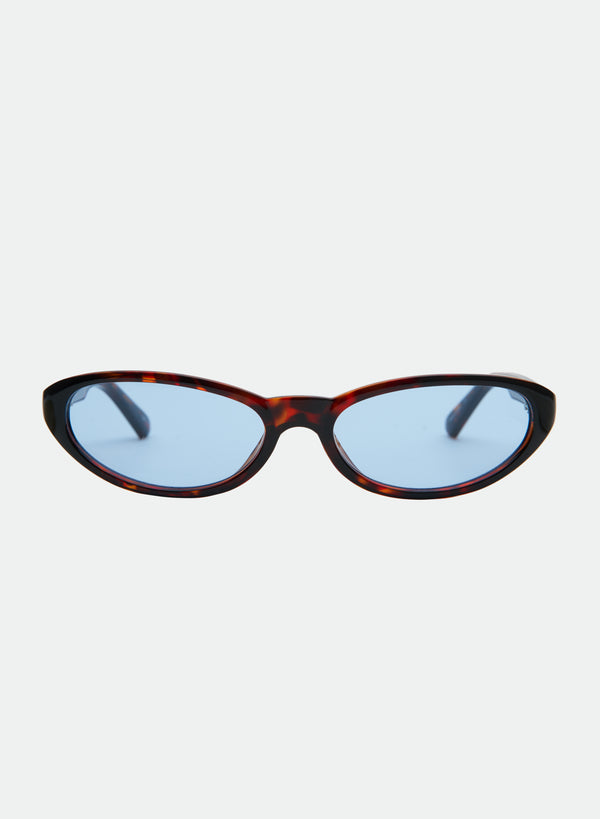
Stop Sunglasses Slipping Down Your Face
Updated July 2026
If your glasses won’t stay put, pinch after an hour, or float with a visible gap at the bridge, you’re not alone. This guide helps you pinpoint the cause, make simple, safe tweaks at home, and choose silhouettes from OTRA that naturally solve each issue. Where it helps, you’ll find quick links to deeper how‑tos and tools.
How do you stop sunglasses from slipping down your face?
Sliding is usually caused by a frame that’s too wide, temples set too open, or a bridge that’s too wide or high for your nose—warm weather sweat makes it worse. Start by micro‑bending metal temples slightly inward behind the ear, adding discreet stick‑on nose pads for more grip, or resetting the temple angle so the arms sit neutral instead of splayed. Cat‑eye lift and a light frame wrap, like on Kenny ‑ Black, also help the frame settle higher and resist downward drift.
Start with a 60‑second fit check
- Frame width: The front should align with your temples without bowing out or leaving wide space. If it flares, the frame is too narrow; if it floats, too wide. For fast measuring, try Find‑Your‑Fit in 2 Minutes: Measure Frame Width, Height, and Bridge at Home.
- Bridge contact: The top rim should touch or gently hug your nose. A visible gap usually means the bridge is too high or too wide for you. For context, read Nose bridge comfort: low vs. high bridge fits and avoiding red marks.
- Temple angle & length: Arms should run straight and rest just after the ear bend—snug, not tight. Details inside Temple length and behind‑ear comfort for long wear.
- Lens height: If lenses touch your cheeks when you smile, choose a shorter lens height or more lift in the outer corners. See How lens height affects cheek contact and smudging.
- Preview before checkout: Open your camera and use these AI Try‑On tips: lighting, angle, and what to look for before checkout to confirm bridge contact and temple line in real time.
Problem 1: Slipping down your nose
Sliding is usually a mix of frame width that’s too large, temples set too open, a bridge that’s too wide/high for you, or warm‑weather sweat reducing friction (looking at you, July humidity from Miami to New Orleans and subway summers in NYC).
Quick fixes you can try now
- Micro‑bend the temples (metal only): Add a gentle inward curve just behind the ear to increase grip. Avoid over‑bending and never twist the front. If you’re new to adjusting, follow Fit tweaks you can do at home (and when to see an optician).
- Add discreet nose pads: Clear stick‑on pads increase contact on acetate bridges for more hold—especially helpful in humid U.S. summers. For seasonal strategies, read Seasonal comfort: heat, sweat, and frame materials in summer.
- Reset temple angle: If the arms splay outward, they’ll ride forward on your ears. Tighten the angle slightly so they sit neutral. Re‑check from the side using AI Try‑On tips.
- Prefer lift or a light wrap: Cat‑eye lift and subtle wrap help the frame settle higher and resist downward drift. Explore proportion pointers in Choosing oversized without overwhelm: proportion rules by head size and stability notes in Wrap and contour: when a gentle wrap improves stability and coverage.
Silhouettes that often help with slipping
- Slim cat‑eye with secure temple set: Lifted corners create natural stability. For a narrow, hold‑friendly bridge and low‑profile front, consider Kenny - Black.
- Moderate‑width cat‑eye for small/medium faces: A touch smaller across the front can stop creep. Ivy - Black brings classic lift without overwhelming petite widths.
- Metal frames with adjustable pads: Pads let you fine‑tune height and grip for desk‑to‑commute days. BLUE LIGHT - Rosie is light and easy to dial in.
Sunglasses pinch my temples—how do I fix it?
Pinching happens when the bridge is too narrow/high for your nose, or when temples are too short, too tight, or bent sharply over the ear.
Quick fixes you can try now
- Soften the ear bend (metal only): Open the curve slightly to spread pressure. If you feel dents after an hour, you likely need a gentler arc or longer temple length. For step‑by‑step checks, see Temple length and behind‑ear comfort.
- Widen contact on the bridge: Use slightly thicker stick‑on pads (or widen pad arms on metal) to distribute weight. Bridge‑specific guidance lives in Nose bridge comfort.
- Re‑align crooked frames: If one side pinches, your frame may be tilted. Level the front first, then re‑set ear bends symmetrically using Fit tweaks you can do at home.
Silhouettes that often relieve pinching
- Bridge with more surface area: Slightly wider gaps and broader contact spread pressure. The geometric front on Abby - Burgundy tends to sit comfortably on broader or lower bridges while keeping weight modest.
- Metal frames with adjustable pad arms: Dial in width and height quickly—useful for sensitive bridges or marathon screen sessions. See BLUE LIGHT - Rosie above.
- Lightweight, low‑profile fronts: Reducing front weight eases nose pressure. For a minimal, desk‑friendly option, try BLUE LIGHT - Hazel. For more minimal picks, browse Lightweight all‑day picks.
How to fix a gap between glasses and nose
A “floating” frame means the bridge is either too high for a low bridge nose or the nose gap is too wide. The fix is to increase contact at the bridge and/or raise the frame.
Quick fixes you can try now
- Add higher‑profile stick‑on pads: This increases height and grip so the frame sits closer and higher.
- Prefer pad‑equipped metals: Pads add vertical adjustability for low bridges and help center the lenses. For material tradeoffs on low bridges, see Metal vs. acetate on low bridges: when nose pads on eyewear matter.
- Pick shapes with natural lift: Cat‑eyes and rectangular styles with subtle upsweep reduce the appearance of a gap. For styling balance, try Balancing statement frames with hairstyle and accessories.
Silhouettes that often close nose gaps
- Wider‑bridge acetate: A touch more bridge room plus pad stickers can create full contact. Consider Abby - Burgundy if you want a geometric front that wears light.
- Adjustable‑pad metals: Height‑tunable pads help low‑bridge fits; a compact cat‑eye like BLUE LIGHT - Rosie makes micro‑adjustments simple.
- Lifted, compact fronts: Smaller widths with upswept corners ride higher and close the visual gap. If you like that effect with warmer tones, compare with Kenny - Tortoiseshell.
If your cheeks also touch lenses, pair these tips with How lens height affects cheek contact. Low‑bridge shoppers can also bookmark Low‑Bridge & Asian‑Fit Confidence: Your OTRA Field Guide to Secure, Flattering Frames for broader strategy.
Decision helper: match your symptom to the likely spec and solution
Use this quick matrix to move from problem to action.
| Issue | What you’ll notice | Most likely cause | What to check on the product page | Try this next |
|---|---|---|---|---|
| Slipping | Slides down within minutes, worse in heat | Frame too wide; open temple angle; bridge too wide/high | Frame width vs. your temple span; nose gap; temple stance | Micro‑bend metal temples; add pads; choose lifted or lightly wrapped fronts like Kenny - Black; skim Wrap and contour |
| Pinching | Red marks on sides of nose or behind ears | Bridge too narrow/high; temples too short or tight | Nose gap; temple length feel; overall weight | Soften ear bend (metal); consider adjustable‑pad metals like BLUE LIGHT - Rosie; revisit Temple length |
| Nose gap | Bridge floats; lenses sit low | Bridge too high or wide for your nose | Nose gap; lens height if cheeks touch | Use pads to raise/steady; try lifted, compact fronts like Ivy - Black; see metal vs. acetate on low bridges |
| Cheek contact | Smudges when you smile | Lens height too tall; low‑sitting bridge | Lens height; bridge design | Opt for shorter lens heights or more lift; see How lens height affects cheek contact |
How to read OTRA measurements like a fitter
- Frame width (mm): Choose a width that’s within a few millimeters of your cheekbone span. Too wide invites slip; too narrow causes temple flare and pinching. If you’re between sizes, cat‑eye lift can make a slightly narrower frame feel balanced. See oversized proportion rules.
- Nose gap (bridge): More gap = more space; less gap = snugger nose fit. Low‑bridge wearers often prefer adjustable pads or bridges with more vertical contact. Explore nose bridge comfort.
- Lens height: Impacts cheek touch and where the frame sits visually on your face. Reference lens height and smudging.
Seasonal and lifestyle tips
- High‑humidity cities (Gulf Coast, South Florida, NYC subways in summer): Add silicone nose pads on acetate; set pad arms slightly closer on metal. Sweat lowers friction, so revisit temple angle once the weather shifts. See Seasonal comfort.
- Desk to commute: Prioritize lighter fronts and adjustable pads to reduce mid‑day pressure. For curated ideas, browse Lightweight all‑day picks.
- Statement shapes without overwhelm: Balance bolder fronts with slimmer temples and lifted corners. For styling pointers, peek at Balancing statement frames with hairstyle and accessories and the shape notes in Face shapes decoded: rectangles, cat‑eyes, and aviators that flatter.
Example OTRA picks by scenario (with tradeoffs)
- Need grip plus visual lift: Kenny - Black is a slim cat‑eye that rides a bit higher; great stability on small to medium faces. Tradeoff: narrower lens height means slightly less vertical coverage.
- Want compact width to fight slip: Ivy - Black offers a moderate front and gentle upsweep that resists downward drift. Tradeoff: petite fronts can feel snug on very wide faces.
- Sensitive bridge, all‑day screens: BLUE LIGHT - Rosie uses adjustable pads to spread pressure and fine‑tune height. Tradeoff: pad arms are a touch more maintenance than molded acetate.
- Prefer warm tones with lift: Kenny - Tortoiseshell gives the same secure upsweep with a softer palette. Tradeoff: patterning adds visual presence compared with black.
- Ultra‑light feel for long days: BLUE LIGHT - Hazel brings a minimal front to reduce nose pressure. Tradeoff: smallest lenses provide the most cheek clearance but slightly narrower field of shade.
- Bridge room with a planted feel: Abby - Burgundy spreads contact and sits balanced. Tradeoff: geometric edges read bolder than rounded fronts.
- Low‑bridge polish without bulk: Sady - Trans Gold/Brown adds pad adjustability with a refined profile. Tradeoff: metal rims show more hardware than sculpted acetate.
- Blue‑light ready, petite friendly: BLUE LIGHT - Frankie keeps weight down and pads tunable. Tradeoff: compact silhouette offers less sun coverage outdoors.
Before you buy: one last 3‑step check
- Match numbers: Compare frame width, nose gap, and lens height to a pair you already wear. If you’re between widths, upswept corners can visually balance a slightly narrower size—see Choosing oversized without overwhelm.
- Preview the angles: Use your camera and AI Try‑On tips to confirm pad contact, cheek clearance, and where the temple meets your ear.
- Know what’s adjustable: Metals with pad arms and malleable temples are easiest to fine‑tune at home. If you need a refresher, skim Fit tweaks you can do at home.
Further reading
For a concept‑by‑concept refresher, save Comfort & Fit Selection Core Guide: Confident, All‑Day Frames That Love Your Face. If low‑bridge behavior describes you, also see Using Product Detail Page measurements for low‑bridge fit and the shape‑spotting overview in Shortlist: OTRA silhouettes that commonly suit low bridges.
FAQ
- Should I size down to stop slipping? Not automatically. First confirm temple angle and bridge contact. A slightly narrower width or a lifted shape can help, but over‑narrow frames cause temple flare and new pressure points. Start with adjustments, then reassess width using Find‑Your‑Fit in 2 Minutes.
- Are stick‑on nose pads safe for acetate? Yes when used correctly. Choose soft silicone or gel, clean the bridge before applying, and replace as needed. If you want long‑term adjustability without stickers, consider pad‑equipped metals like BLUE LIGHT - Rosie.
- What if my frames still feel off after adjustments? Some fits can’t be solved by tweaks alone—especially large nose gaps or persistent cheek contact. Use the decision matrix above, then explore metal frames with adjustable pads or lifted, compact fronts. If you prefer sculptural acetate, browse lift‑forward styles such as Ivy - Black and review Face shapes decoded.
- What are the most common sunglasses fit problems and solutions? The three most common issues are slipping (usually a wide frame or open temple angle—fix with a temple micro‑bend or nose pads), pinching (a too‑narrow bridge or short temples—fix by softening the ear bend or widening bridge contact), and a visible nose gap (a bridge sitting too high—fix with higher‑profile pads or a shape with natural lift). Use the decision matrix above to match your symptom to the likely cause.