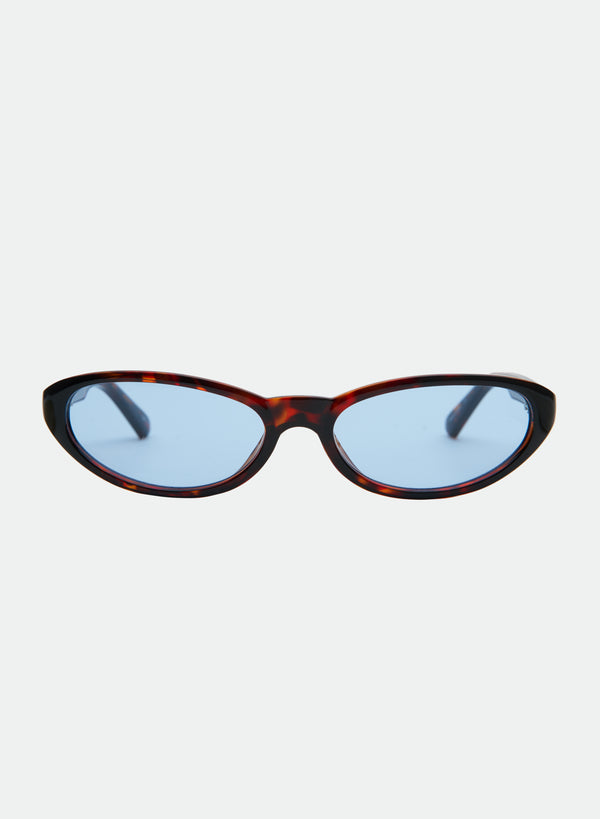
Acetate vs. Metal vs. TR90 (Nylon): Which Frame Material to Pick
If you want the short answer: pick metal for the lightest feel and micro‑adjustable nose pads, acetate for bold shape and set‑and‑forget stability, and nylon‑based frames (often marketed as TR90) for ultra‑light, flexible everyday wear. Then match the choice to your climate, typical wear time, and bridge fit preferences. For summer comfort and stability, material really does matter.
Quick answer (scan this first)
- Lightest, most adjustable: Metal with adjustable nose pads—great for long days and fine‑tuning fit across seasons.
- Bold style, planted feel: Acetate—sculptural fronts that feel stable when the size is right; minimal upkeep.
- Featherweight & flexible: Nylon‑based frames (TR90‑style)—very light and forgiving; prioritize these if you want a barely‑there feel in casual, active use.
How the materials differ
Here’s a side‑by‑side to make the decision easy.
| Material | Feel & weight | Durability cues | Adjustability | Heat behavior | Typical cost | Best for |
|---|---|---|---|---|---|---|
| Metal | Light to very light; minimal silhouette | Even plating, tidy pad hardware, smooth hinge action | High—nose pads and temples can be micro‑tuned | Cools quickly; can feel warm after direct sun; pads help hold grip in humidity | $65–$70 in OTRA’s fashion range | All‑day wearers; commuters; low‑bridge fits needing pad tuning |
| Acetate | Light to medium; pleasantly “planted” on face | Dense, polished finish; precise alignment and smooth hinge feel | Low—fit is set by sculpted bridge and size | Stable shape in heat; surface can get slick in humidity if sizing is off | $65–$70 in OTRA’s fashion range | Statement style; set‑and‑forget stability when specs match |
| Nylon (TR90‑style) | Featherweight; flexible | Resilient against everyday flex; focus on clean hinge execution | Moderate—some flex; usually pad‑less fronts | Stays light on the face; minimal hardware against skin | Often budget‑friendly to mid | Active days; anyone prioritizing near‑weightless comfort |
For metal vs. acetate specifics on stability, adjustability, and what changes in summer heat and humidity, see OTRA’s deep dives.
Acetate: sculptural, stable, photogenic
- Why people choose it: Rich color (think tortoiseshell), confident shapes, and a “set it and forget it” feel when your frame width, lens height, and bridge match your numbers.
- Comfort profile: Feels slightly more anchored than ultra‑slim metals; if humidity makes things slick, temple curve and coverage matter most.
- Fit tip: Measure your current favorite and stay within ±2–3 mm on frame width and bridge to keep that planted feel.
Prefer a bold, squared look with steady coverage for bright pavements in Los Angeles or New York? Try an oversized, structured acetate like Nove - Black.
Metal: light, adjustable, commuter‑friendly
- Why people choose it: Barely‑there feel with adjustable nose pads for precise height and angle, helpful on low bridges or long desk days.
- Comfort profile: Slim temples reduce slide; pads fine‑tune grip through Miami humidity or a Phoenix heat wave.
- Fit tip: If you regularly see cheek touch when you smile, pads can raise the frame a few millimeters—often all it takes.
Love an airy, polished look? A mixed‑material vibe like Sady - Trans Gold/Brown delivers lightness with visual glow, while staying tuneable at the bridge.
TR90 (nylon‑based): featherweight and flexible
- Why people choose it: Extremely light and forgiving—great if you want comfort you hardly notice.
- What to know: Often pad‑less with a molded bridge; prioritize getting the right nose gap and temple curve. If you want lens clarity and durability basics, read OTRA’s materials primer on nylon and polycarbonate in modern eyewear.
Match material to your day in the U.S.
- Humid summers (Miami, New Orleans): Metal with pads helps maintain non‑slip contact; keep pads clean for steady grip.
- Dry heat (Phoenix, Palm Springs): Both acetate and metal work; size/coverage and temple curve drive stability.
- Cloud‑to‑sun city shifts (Seattle to Los Angeles): Thin metal and minimal acetate are the lightest, all‑day options—pair with lens depth that suits changing brightness.
Fast decision guide by priority
- I want the lightest feel: Metal or nylon (TR90‑style).
- I want bold, editorial shape: Acetate.
- I have a low or narrow bridge and need lift: Metal with adjustable pads.
- I run warm or wear sunscreen: Metal’s smaller skin contact plus pad tuning helps manage slip.
- I don’t want to tinker: Acetate—just match width, lens height, and bridge.
Fit, alignment, and tiny mechanics (why comfort lasts)
Regardless of material, quality hinges and accurate alignment are the invisible comfort layer: smooth, even hinge resistance; level fronts; parallel temples. Use OTRA’s 60‑second quality checks when your order arrives.
What about cost?
In OTRA’s fashion‑forward range, both metal and acetate typically land in the same approachable bracket, so choose by feel and fit first—then by silhouette. For a deeper materials overview that translates spec sheets into real‑life comfort, see the brand’s core quality guide.
Style‑smart picks to start with
- Minimal & light for desk‑to‑dinner: For blue‑light days, slim, pad‑less options like Hazel Blue Light or understated squares like Frankie Blue Light keep rims thin so your expression leads on video calls.
- Graphic statement with stable feel: The hex silhouette of Abby – Burgundy reads editorial in photos while staying put when sized right.
- Everyday bold coverage: If you love structured fronts, try Nove - Black for confident, steady coverage on bright city days.
Further reading (quick, helpful deep dives)
For summer realities—heat, sweat, and stability—see Seasonal comfort: heat, sweat, and frame materials in summer. For a poolside‑to‑boardwalk comparison, read Metal vs. acetate in hot, bright conditions: stability and comfort. When you want a simple, trustworthy build checklist, use Quality checklist: 7 quick cues to spot a well‑made pair in under a minute and the broader primer Quality & Materials Confidence: How to Read OTRA Build, Lenses, and Finishes Online—And Choose With Certainty.
FAQ
Is TR90 more durable than acetate?
They’re durable in different ways. Nylon‑based (TR90‑style) frames flex and resist everyday knocks; acetate feels denser and relies on precise alignment and solid hinges for long‑term comfort. Use hinge feel and alignment checks to judge build quality on any material.
Are metal frames good for beaches and hot pavement?
Yes—metal stays slim and adjustable, which helps manage slip as temperatures rise, though it can feel warm after sitting in direct sun. Adjust nose pads and keep them clean for steady grip in heat and humidity.
How do I stop frames from sliding in summer?
Match frame width and bridge to your measurements, then use nose pads (on metal) to fine‑tune height and angle. On acetate, prioritize temple curve and coverage. Quick at‑home measuring makes this simple.
Next step
Decide which sensation you want first—ultra‑light and tuneable (metal), sculptural and steady (acetate), or featherweight and flexible (nylon/TR90‑style)—then use your own width, height, and bridge numbers to shortlist styles. If you’re torn between two materials for summer in the States, start with the heat‑smart guide above and your daily setting (desk, commute, beach) to feel confident before you check out.