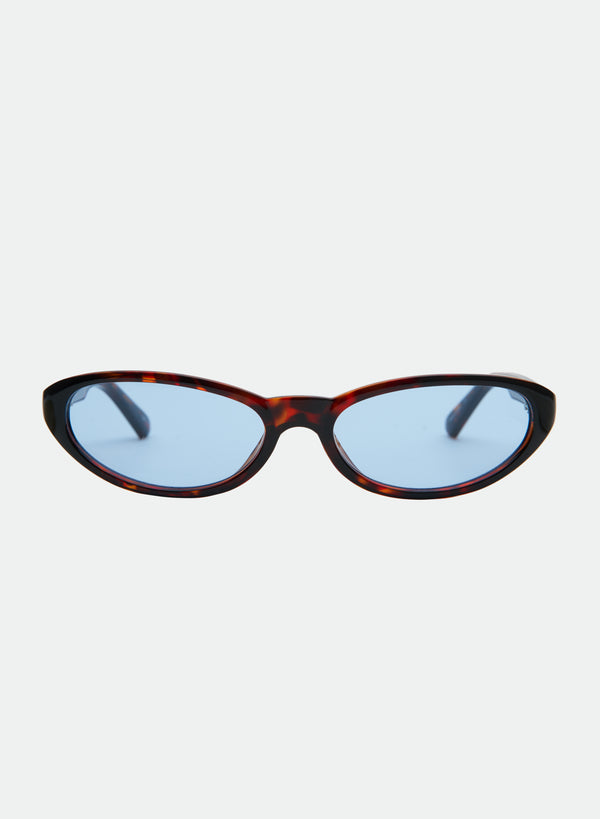
Category 1–2 Lenses for Cloudy Days?
Updated July 2026
Real life doesn’t stay at one brightness. A Saturday in the U.S.—stroller walk under trees, playground time, then a patio brunch—shifts from shade to sun and back again. That’s exactly where Category 1–2 lenses shine: they calm brightness and mild glare without feeling too dark when clouds roll over or you step indoors for a minute. For a quick side‑by‑side of all categories, skim Cat.1 vs. Cat.2 vs. Cat.3: which to choose for city wear, beach days, and bright alpine sun.
Are Category 1 or 2 lenses enough for cloudy days?
Yes—Cat.1 is a light fashion tint built for softer light, overcast skies, and golden hour, while Cat.2 is a balanced everyday tint for on‑off clouds and partial shade. Darkness is separate from protection: OTRA lists UV400 across styles, so UVA/UVB coverage holds regardless of tint depth. Reach for Cat.3 only if your day turns to sustained, bright midday sun.
What lens category works for mixed sun conditions?
Lens “categories” describe visible light transmission (VLT)—how bright the world looks through your lenses. In OTRA’s range, Cat.1 is a light fashion tint for softer light and golden hour; Cat.2 is a balanced everyday tint for on‑off clouds and partial shade. UV protection is separate from darkness: OTRA pages list UV400 across styles, so UVA/UVB coverage is handled regardless of tint depth—refresh the fundamentals in UV400 in plain English: UVA/UVB coverage and why lens darkness isn’t protection.
Mixed‑sun scenarios: match the lens to the moment
- Kids at the park (spring in Seattle or Chicago): Trees and playground structures create shifting shade. Cat.2 keeps vision relaxed when the sun breaks through but won’t feel too dim in shade. Warm brown or olive‑green tints keep contrast natural for spotting kids quickly. For tint behavior, see Lens tints and fades: brown, green, smoke, and pink—how each alters brightness and contrast.
- Patio brunch (late morning in Austin or Los Angeles): Tabletops and pavement bounce mild glare. A Cat.1 or Cat.2 gradient (darker up top, lighter below) stays comfortable for conversation and reading menus without removing your frames. Curious how OTRA designs non‑polarized lenses for calm, everyday use? Read Glare reduction without polarization: what OTRA’s lenses are designed to do.
- Cloudy, foggy, or golden‑hour walks (San Francisco layers or NYC at dusk): Cat.1 adds a gentle tint that eases eye strain while keeping scenes bright. For driving nuance in changing light, visit Daily driving vs. dusk commuting: safer tints and category picks.
Best sunglasses tint for partly sunny weather
Tint color subtly shifts contrast and mood. For mixed sun, brown and olive‑green tints are versatile and flattering; smoke/grey keeps colors neutral. Gradients are especially patio‑friendly because the lighter lower half makes eye contact and reading easier while the upper half cuts overhead brightness. Explore how each tint changes brightness and contrast in Lens tints and fades: brown, green, smoke, and pink—how each alters brightness and contrast.
Coverage and fit: keep light leaks in check
Even the right tint can struggle if sunlight sneaks in at the cheeks or temples. Slightly oversized silhouettes or wrap‑adjacent rectangles lower side glare—helpful at reflective playgrounds and bright patios. Why silhouette size matters is covered in Oversized coverage benefits: cheek/temple light leak and eye strain. If you’ll be out in heat, frame material can also affect comfort—compare options in Metal vs. acetate in hot, bright conditions: stability and comfort.
Decision matrix: Cat.1 vs. Cat.2 vs. Cat.3
If your day might swing from tree shade to sunny sidewalks, use this compact table to pick with confidence.
| Use case | Recommended category | Why it fits | Trade‑off |
|---|---|---|---|
| Cloudy mornings, urban shade, golden hour | Cat.1 | Light tint relaxes eyes without dimming details | Not dark enough for strong midday sun |
| Park play + patio brunch, partly cloudy | Cat.2 | Balanced darkness for variable light; gradients excel | May feel light at noon on very bright, open ground |
| Beach, snow, open water, high desert at noon | Cat.3 | Stronger tint for sustained, high glare | Can feel too dark in shade or indoors |
Planning a day that includes reflective sand or water? Skim Edge cases: reflective water, snow, and white sand—when Cat.3 shines. For a broader overview of UV and scenarios, start at UV Protection & Sun Scenarios: a fashion-forward, science-true guide to choosing UV400 sunglasses for real light and real life.
OTRA picks for mixed‑sun days
- Menu‑friendly gradient (Cat.1): A light fade keeps faces visible and menus easy to read outdoors; explore the softly oversized aviator Stevie - Trans Olive/Brown Fade (listed as Category 1) for shade‑to‑sun conversations.
- Sleek rectangle for errand loops (Cat.2): Low‑profile sides help reduce light leaks on bright sidewalks; see the chocolate‑toned rectangle Cato - Chocolate/Brown (listed as Category 2).
- Day‑to‑night cat‑eye (Cat.2): A sculpted wing with olive lenses is easy across shifting clouds; consider Ivy - Black (listed as Category 2) when your plans stretch from afternoon to dinner.
- Warm, flattering cat‑eye (Cat.2): Brown lenses and tortoiseshell keep contrast gentle yet clear during on‑off sun; browse Ivy - Tortoiseshell.
- Cool‑toned pop for bright‑ish days (Cat.2): Prefer a cooler palette without going too dark? Try the thin cat‑eye Kenny - Tort/Blue (listed as Category 2).
- If brightness spikes at noon (Cat.3 backup): Pack a darker pair like Nove - Black, Nove - Coffee or warm tort tones in Nove - Tortoiseshell for sustained midday sun, then switch back once you’re in shade.
- All‑day sun alternative (Cat.3): If your plan unexpectedly turns beach‑heavy, a darker square like Nia - Dark Chocolate can carry the brightest hours before you return to Cat.2 in town.
Safety notes: UV, glare, and driving
UV protection doesn’t come from darkness; it comes from the lens filter. OTRA product pages consistently state 100% UV protection (UV400) across categories, so choose darkness for comfort and visibility. For car time, many people find Cat.2 comfortable in daytime. Avoid very light Cat.1 tints for full midday driving, and don’t use dark tints in low‑light or night conditions. For more context, read Daily driving vs. dusk commuting: safer tints and category picks and the primer UV400 in plain English.
Read specs quickly and build a simple strategy
Want to confirm category and UV in under 30 seconds? Use the quick scan in Read Product Detail Page specs fast: make a UV decision in under 30 seconds. If your weekends swing from city shade to brighter beach time, see Urban shade to full sun: a two‑pair strategy using OTRA lens categories and the practical Travel packing list: one versatile pair vs. two specialized pairs.
Need a deeper foundation?
For an elegant, science‑true overview of UV and real‑life light, start with the UV Protection & Sun Scenarios: a fashion-forward, science-true guide to choosing UV400 sunglasses for real light and real life.
FAQ
- Is Cat.1 safe for my eyes? Yes—so long as the lenses are UV400. Darkness and UV protection are different; OTRA pages state 100% UV protection (UV400). Use Cat.1 for softer light or cloudy days, not for sustained midday sun.
- Are gradient lenses good for patio brunch? Typically, yes. The darker upper zone filters overhead light, while the lighter lower zone helps with menus and eye contact—ideal for shade‑to‑sun transitions.
- What if my day includes beach time? Bring a Cat.3 option for the brightest hours and switch back to Cat.2 once you leave reflective sand or water—see when Cat.3 shines.
- What’s a good lighter tint for going in and out of shade? Cat.1 or Cat.2 gradients work well—darker up top to cut overhead brightness, lighter at the bottom so menus, phones, and faces stay easy to see. Brown and olive‑green tints keep contrast natural as you move between trees, patios, and open sidewalks.